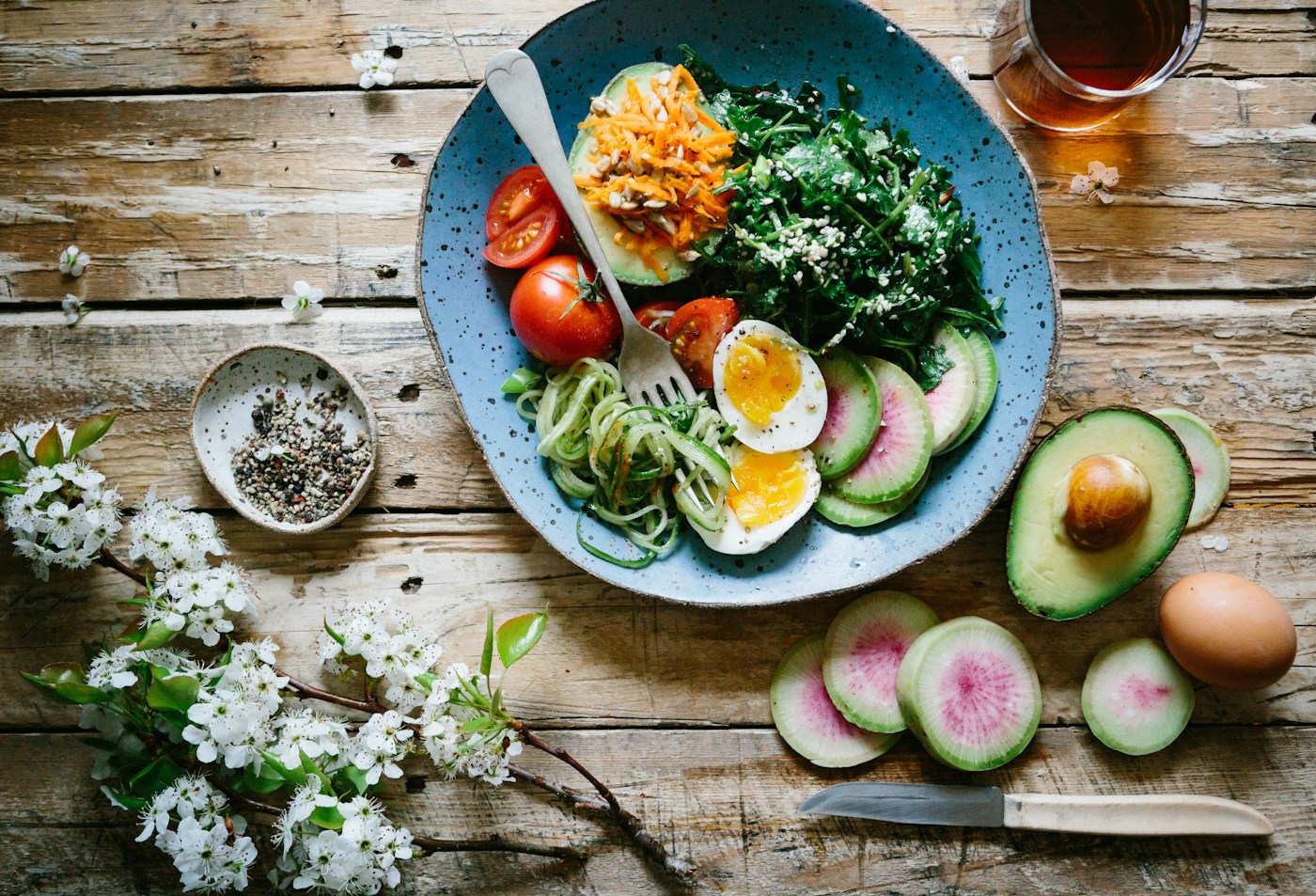
Chronic low-grade inflammation is one of the most significant and most underappreciated drivers of how women feel day to day. It contributes to joint stiffness, brain fog, hormonal disruption, poor sleep quality, persistent fatigue, and a general sense of not quite being right that doctors often struggle to name. The good news: your fork is genuinely one of the most powerful tools available to address it.
Ten ingredients worth building your meals around
1. Extra virgin olive oil (cold-pressed)
Contains oleocanthal, which inhibits the same COX enzymes targeted by ibuprofen — but through consistent dietary use rather than acute dosing. Use it as your default cooking oil and finishing drizzle. Heat to medium only.
2. Wild-caught salmon
The omega-3 fatty acids EPA and DHA directly modulate prostaglandins, reducing inflammatory signalling at the cellular level. Two servings per week is the threshold supported by research. If you're new to fish, salmon is the most approachable starting point.
3. Turmeric (always with black pepper)
Curcumin, turmeric's active compound, has remarkable anti-inflammatory properties — but extremely poor natural bioavailability. Black pepper's piperine increases curcumin absorption by up to 2,000%. Never use one without the other. Golden milk with a generous crack of black pepper is effective medicine, not just trend.
4. Dark leafy greens
Kale, spinach, rocket, and Swiss chard deliver vitamin K, magnesium, folate, and a diverse range of antioxidants that reduce oxidative stress — a core driver of inflammatory cascades. Four minutes in olive oil with garlic is all they need.
5. Blueberries and other dark berries
Anthocyanins — the pigments responsible for deep purple and blue colouring — are some of the most potent plant-based anti-inflammatory compounds identified. Frozen berries retain nearly identical nutritional profiles to fresh and cost a fraction of the price year-round.
6. Fresh ginger
Gingerols and shogaols reduce inflammatory biomarkers measurably in controlled studies, with particular effects on joint inflammation and exercise-induced muscle soreness. Grated fresh ginger in warm water with lemon is simple, effective, and genuinely pleasant.
7. Walnuts
The only tree nut with significant ALA omega-3 content, walnuts also contain ellagitannins that gut bacteria convert into anti-inflammatory urolithins. A small handful (about 30g) daily is sufficient and sustainable.
8. Green tea
Epigallocatechin gallate (EGCG) is one of the most extensively studied plant polyphenols for inflammation reduction. Two to three cups daily — including matcha, which provides the whole leaf — provides a meaningful dose without the anxiety-inducing caffeine load of coffee.
9. Cooked tomatoes
Lycopene is significantly more bioavailable after cooking. Slow-cooked sauces, roasted tomatoes, and quality passata provide a form of lycopene your body can actually use — with particular benefits for cardiovascular and hormonal inflammation markers.
10. Fermented foods
Kefir, kimchi, live-culture yoghurt, and miso feed the gut microbiome — now understood to be central to systemic immune and inflammatory regulation. Start with a tablespoon daily and increase gradually to allow your gut bacteria to adapt.
"Anti-inflammatory eating isn't a diet. It's a consistent, long-term pattern of choosing ingredients that support your body's natural regulatory systems." — Dr. Sara Okonkwo
The cumulative effect of consistently choosing these ingredients — across hundreds of meals, over months and years — is far more powerful than any supplement or short-term cleanse. Add before you subtract. Build a relationship with these foods. Let them become part of how you naturally cook.